
A University of Winchester archaeologist is playing a leading role in a major lottery-funded project to survey key sites in Hampshire used in the run-up to D-Day.
Through a new partnership with Portsmouth City Council, Dr Phil Marter, Senior Lecturer in the Archaeology of the Recent Past, is leading on the fieldwork element of Hampshire’s Hidden D-Day Project which will explore the sites of 22 Marshalling Camps where thousands of troops and vehicles were assembled in the days before the Normandy landings.
The project is being run by Portsmouth City Council's Museum Service, and is funded by a grant from the National Lottery Heritage Fund.
The aim is to ensure the camps are properly recorded and preserved for future generations and to create an interactive online database of troop movements between the camps prior to embarkation.
“Archaeological fieldwork will identify, and record surviving remains from the camps in order help raise awareness of the part they played in the D-Day story,” said Phil.
“These camps hosted the final days experienced by soldiers from across the globe who would take part in the largest seaborne assault the world has ever seen. Many would never return from the Normandy campaign and so the camps play a part in helping us remember their story.”
Nicola Peacock, Project Manager, Portsmouth City Council: ''We are pleased to be working in partnership with the University of Winchester on this project. Most people know what took place once the troops landed in Normandy, however, the story of the marshalling camps, their significance and the journey troops took prior to embarkation is less well known.
“The surveys, and work with partners and volunteers to gather information on the camps and troop movements, aims to create a publicly available record, and to raise awareness of the importance of the marshalling camps across Hampshire through a large-scale public and community engagement programme. Portsmouth City Council are grateful to the National Lottery Heritage Fund without whose funding this project would not be possible.''
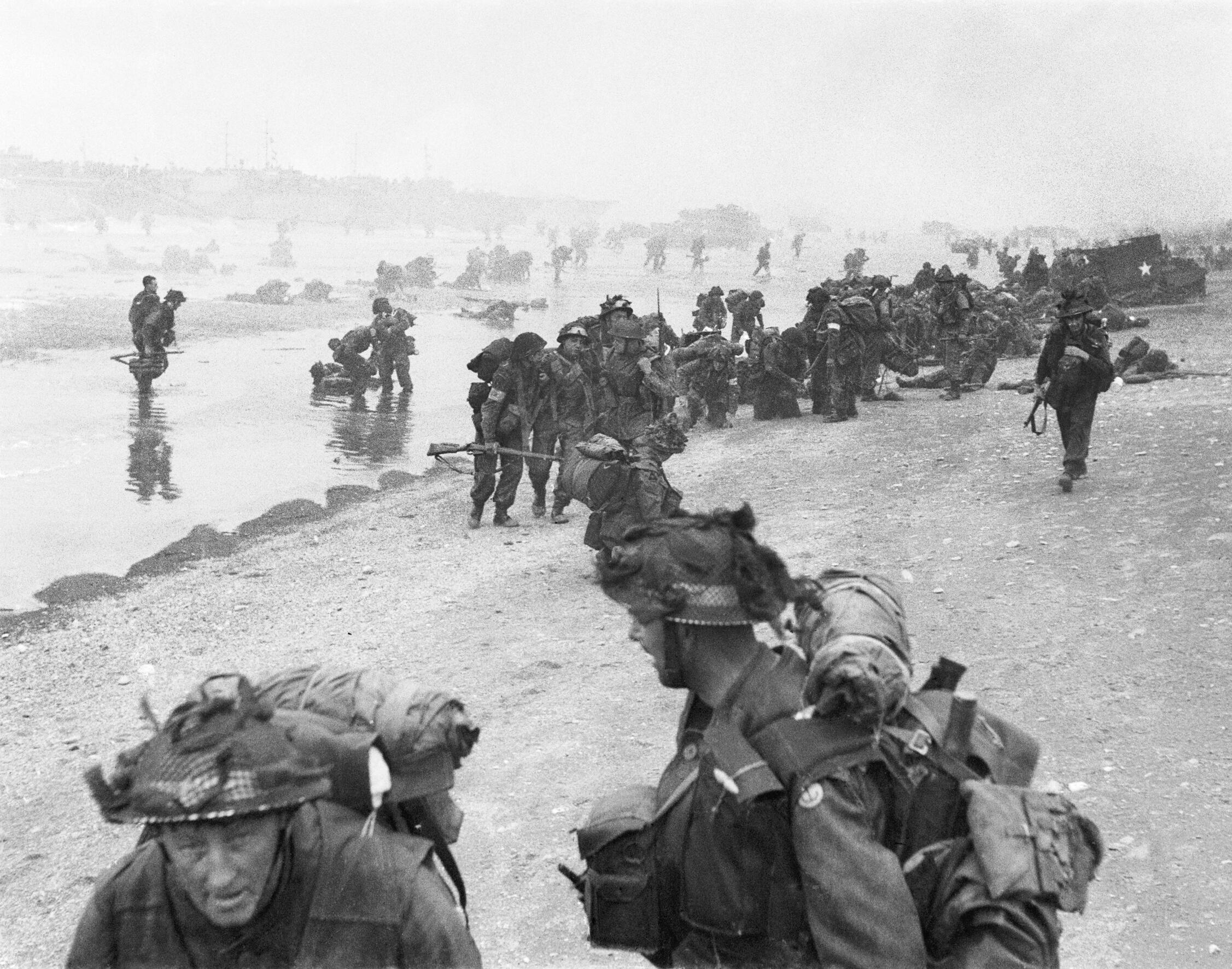
On D-Day, 6 June 1944 – 130,000 Allied troops landed on the Normandy beaches to begin the liberation of Western Europe.
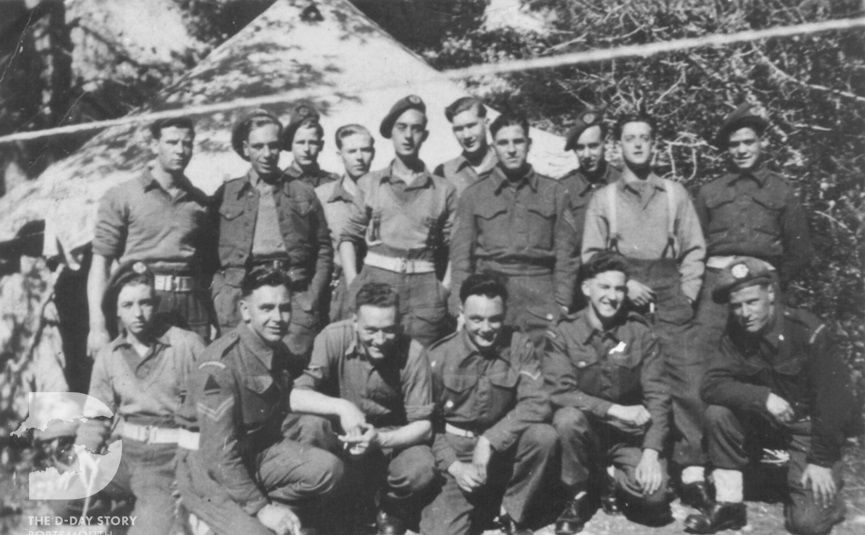
In the days immediately prior to embarkation soldiers from Britain, US and Canada were gathered in temporary camps within three Marshalling Areas in southern Hampshire – A (inland from Gosport and Portsmouth), B (New Forest), and C (between Southampton and Winchester).
Many of these sites have not been fully surveyed and recorded. The project’s findings will be added to the Historic Environment Record (HERs) of local authorities where they will be accessible to the public, along with a report documenting and interpreting the findings
Details will also be added to The D-Day Story museum website. It is also planned to develop a database enabling people to search for troops and access information about the route individuals took prior to embarkation, read archive material, and experience virtual walks at a number of locations.
Exhibitions co-curated with community groups, talks, guided walks, and activities will take place in libraries across Hampshire.
Phil said: “There has been very little formal fieldwork done on the Marshalling camps. Many were hidden in woodland or on the estates around big country houses.
“Although the camps were temporary you can still spot signs of road widening, pull-ins and entrances for military vehicles. In some places soldiers have inscribed walls with graffiti which can sometimes still be seen.”
Phil explained that they will surveying the sites of the camps and recording any physical remains but won’t be excavating them or recovering objects.
Teams taking part in the surveys will be made up of volunteers and military veterans from project partners Veterans Outreach Support and Alabare. Surveys will take place this winter, with the project as a whole concluding in November 2026.
Nicola Peacock, Project Manager, is keen to hear from anyone who is interested in volunteering on the project, to take part in the surveys, to assist with sourcing and recording archive material. Letters, diaries, photographs and other material from the time are welcome, and may be included as part of the project.
For more information or to contact the project team email HHDinformation@portsmouthcc.gov.uk
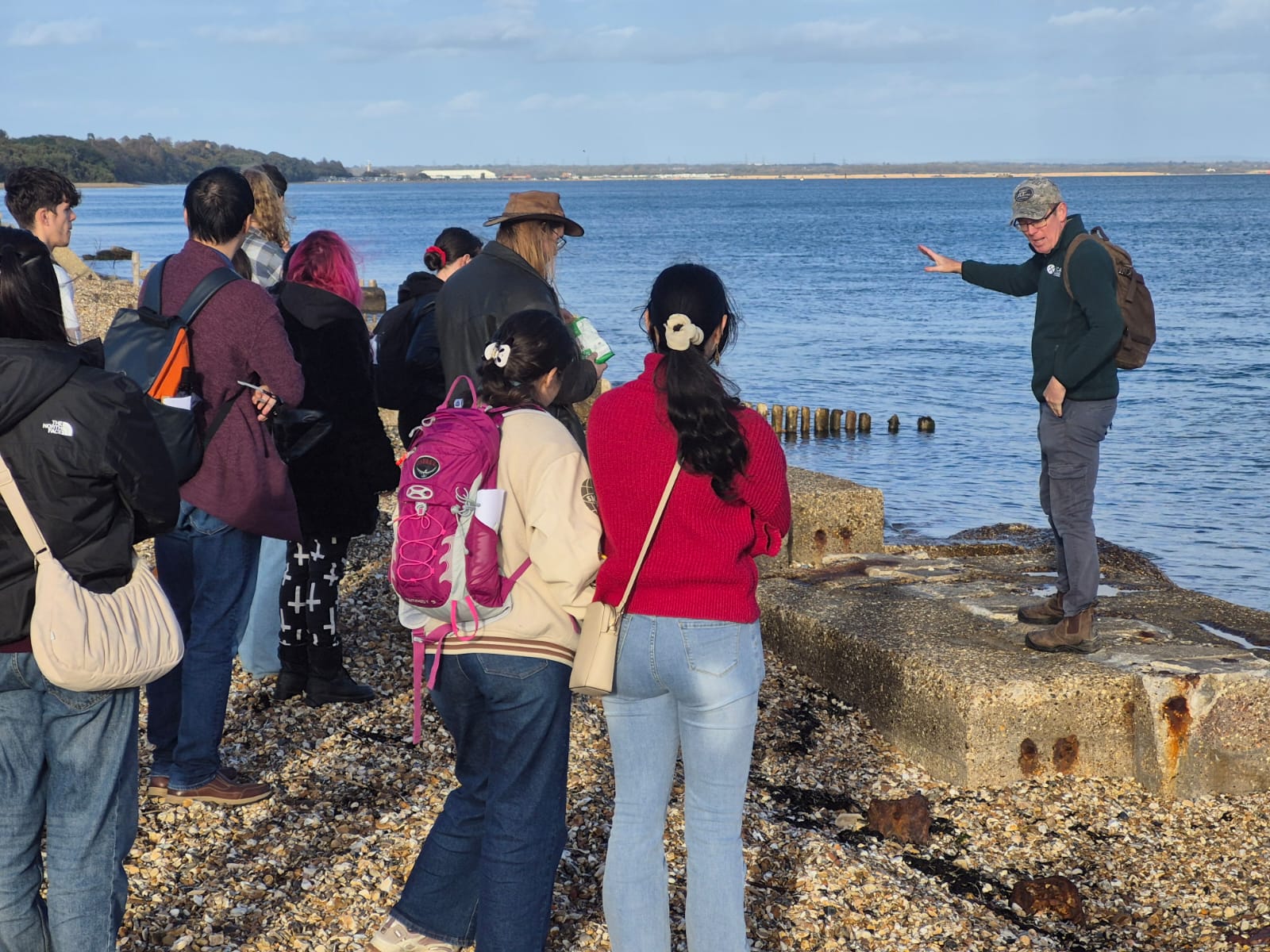
Dr Phil Marter specialises in 20th century conflict heritage. He works with both amateur and professional archaeologists to research, excavate and record crashed aircraft from the Second World War in the UK, France and Germany and helps to promote standards and guidance on best practice in this field.
Phil has appeared on TV several times and played a key role in the second series of the popular History Channel show WWII Treasure Hunters. Find out more about Phil.
He is pictured with students from the University of Winchester studying the Battlefield Archaeology module at Lepe in the New Forest, where substantial visible remains of the structures used in the construction and launching of large concrete caissons, which formed part of the Mulberry Harbours used during the Allied invasion of Normandy.
Pictured top: Members of the 1st South Lancashire Regiment at Cowplain in the days before D-Day.
Back to media centre