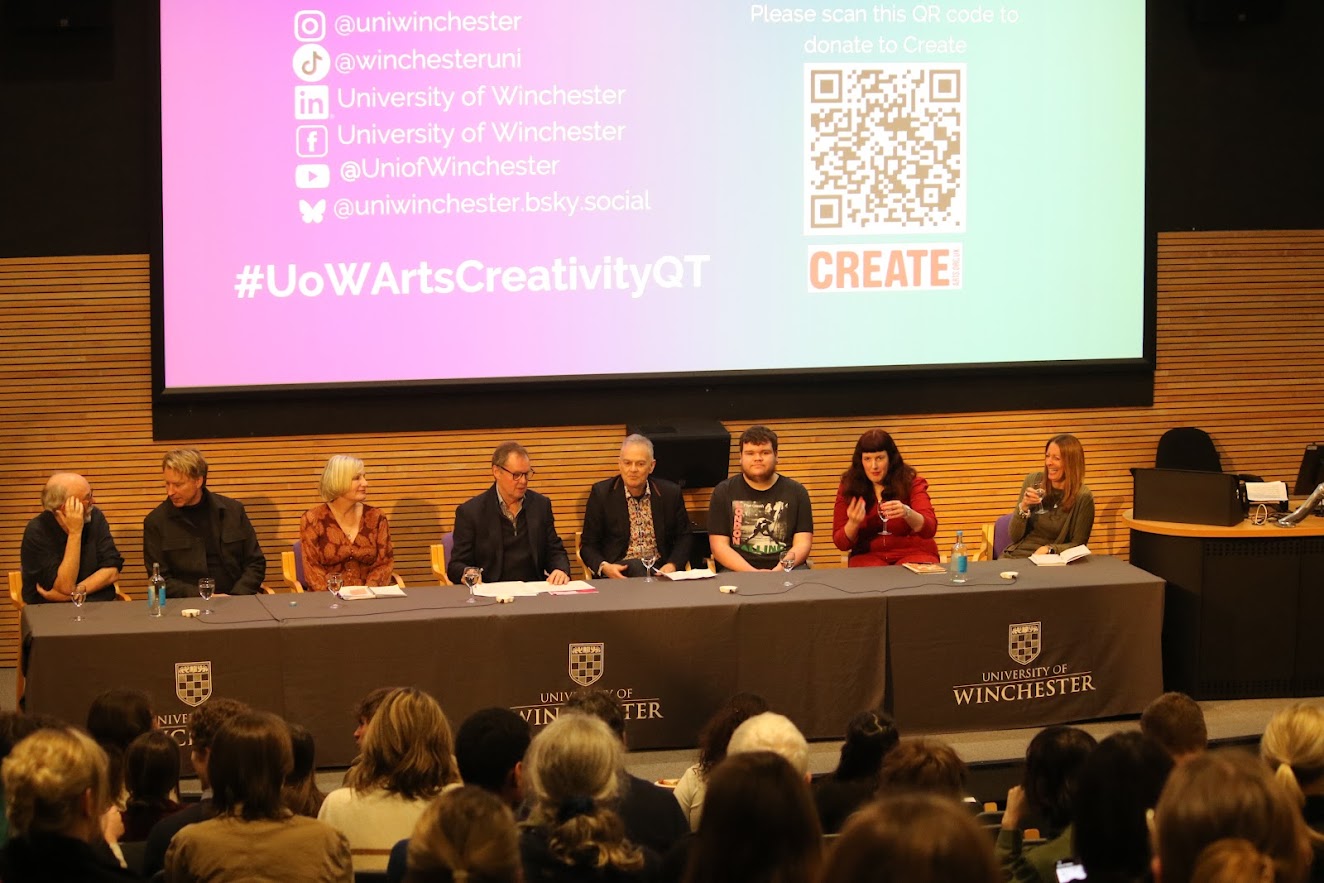
The power of the arts to transform lives, bring communities together and create economic wealth were the recurring messages to come out of a successful public question time event held at the University of Winchester.
The event in the Stripe Auditorium was chaired by Bill Lucas - Professor of Learning and Director of the Centre for Real-World Learning at the University.
An expert panel, which included Grammy and Emmy award-winning music producer and composer Giles Martin, answered questions from the audience focusing on arts and creativity in education and the threats posed by a lack of funding, diminished time in the curriculum, and a shortage of qualified arts teachers.
In addition to Giles, the panel was made up of:
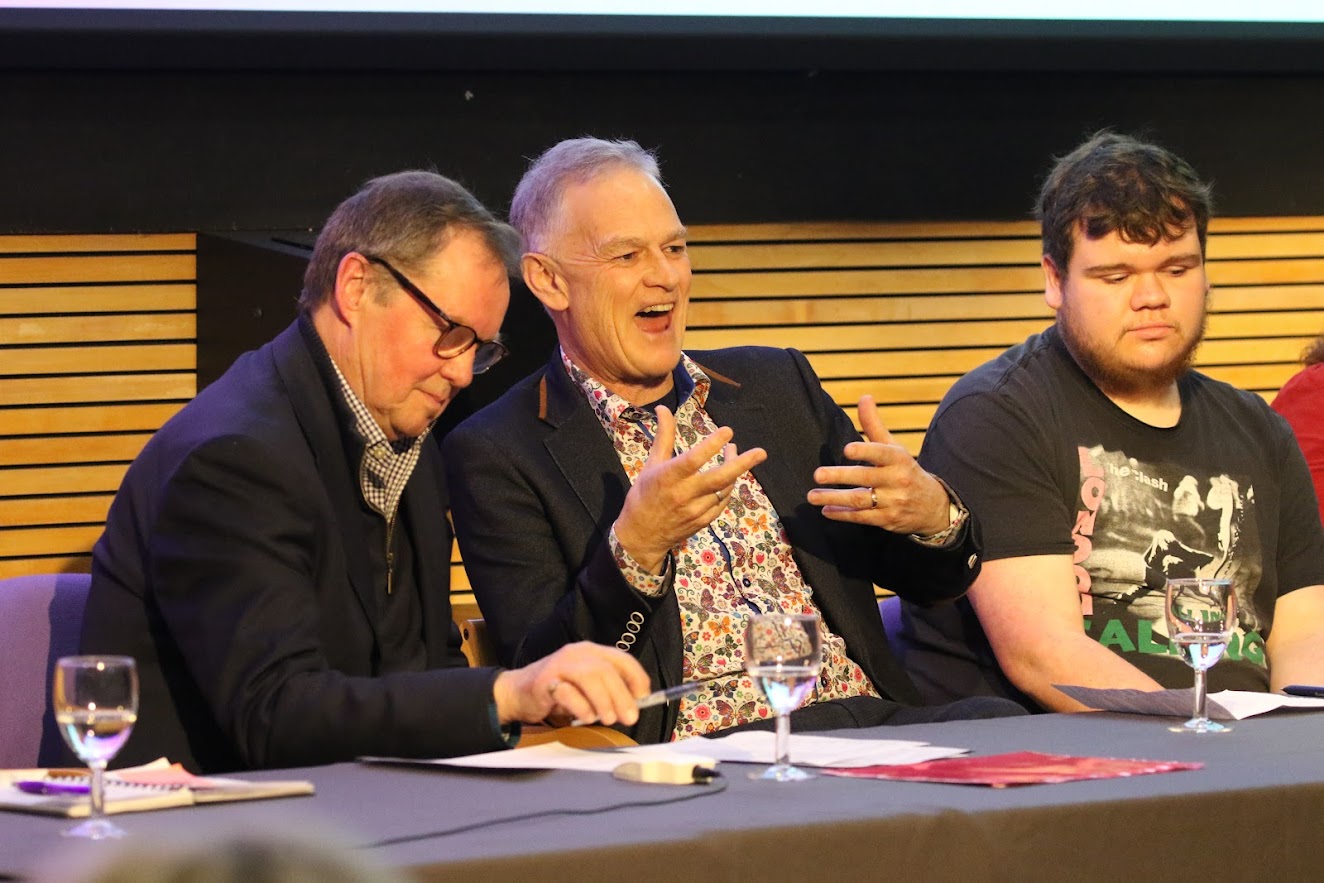
The perceived threat of AI to arts and creativity ran through much of the discussion.
Giles Martin said that he used AI extensively and it could be an aid to creativity but he stressed: “What is terrible is constructive AI. It provides mediocrity, never brilliance.”
He added that many great artists had honed their skills writing advertising jingles and music for daytime TV and those opportunities were being lost to AI.
Phil Gibby described AI as a blessing and a curse and added: “What AI will never bring you is authenticity and in the future we will see a greater driver for authenticity.”
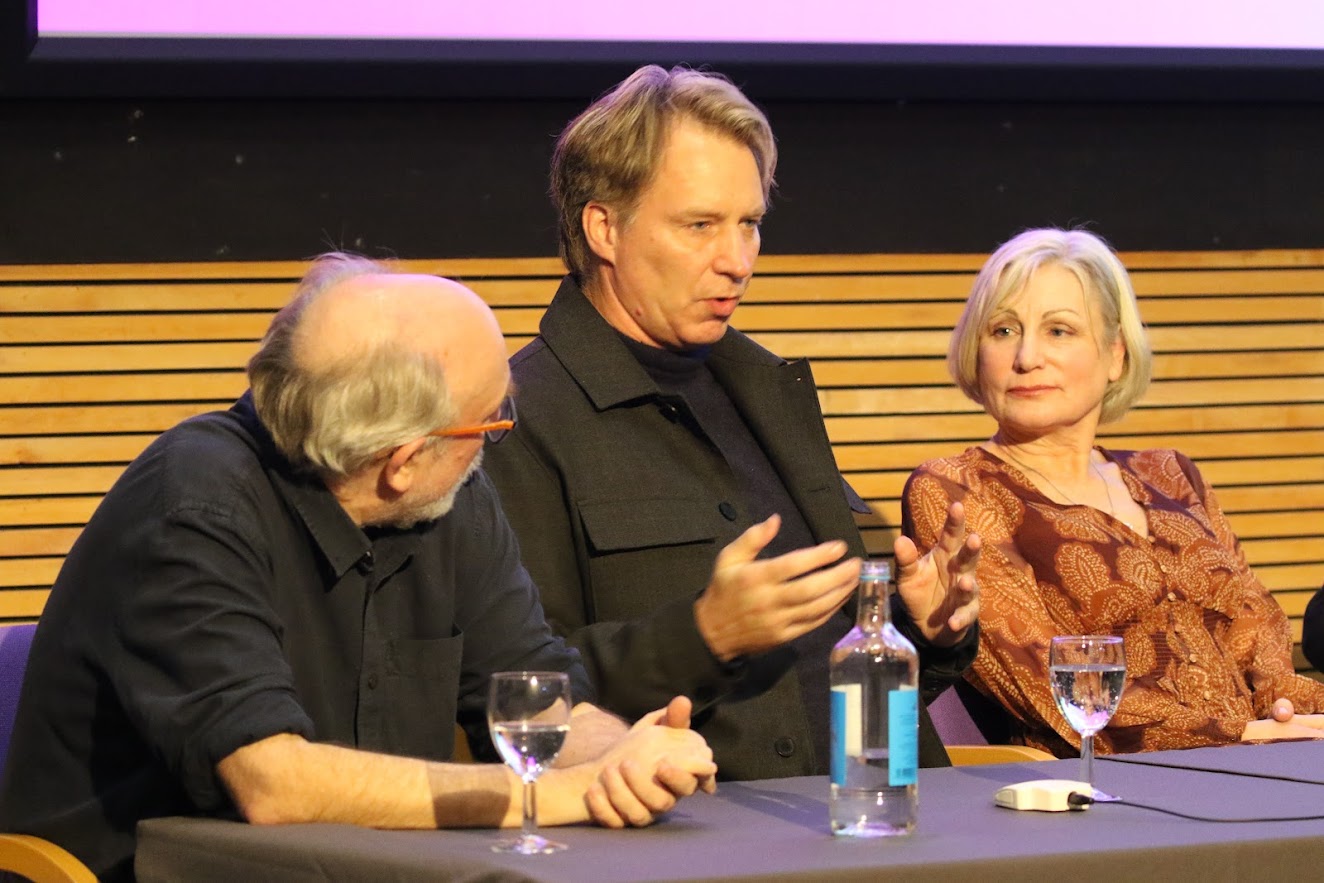
Student Alex Greenwood asserted his generation were anti-AI: “Young people hate AI, it is bad, it’s clunky and it’s inefficient.”
Asked about how the arts can help inclusivity and diversity in society, Deryck Newland said: “The arts allow us a window into how other people think in a society which is encouraging us to see difference as dangerous. In the theatre we can look across at each other and find tolerance and empathy, which is in short supply and needs investing in.”
Replying to a question about creativity taking second place to knowledge in schools, Marnie Seymour said the purpose of education needs rethinking: “Can we be courageous enough to value knowledge in some way that’s bigger than performance metrics, which are convenient and easy to manage?”
Increasing creativity in the classroom “removed barriers to learning for children who were otherwise disengaged” she claimed.
There were some telling contributions from audience members.
On the question of what examples could be given to persuade policy makers to make greater investment in the arts, Victoria Luke, senior lecturer in Musical Theatre at the University and in the audience commented: “Zelensky – transferable skills” citing the Ukrainian leader’s preparation for statesmanship coming from the world of entertainment.
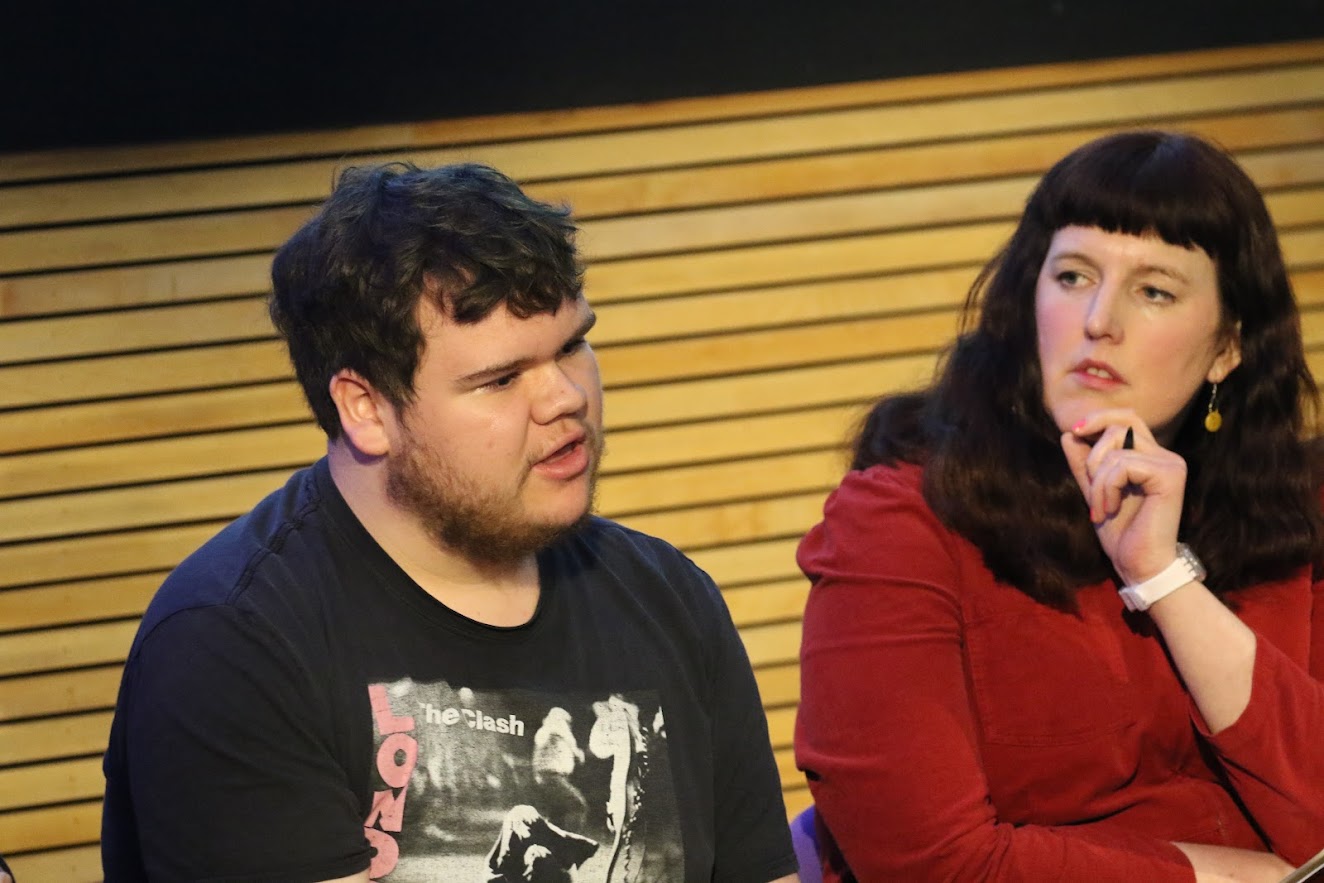
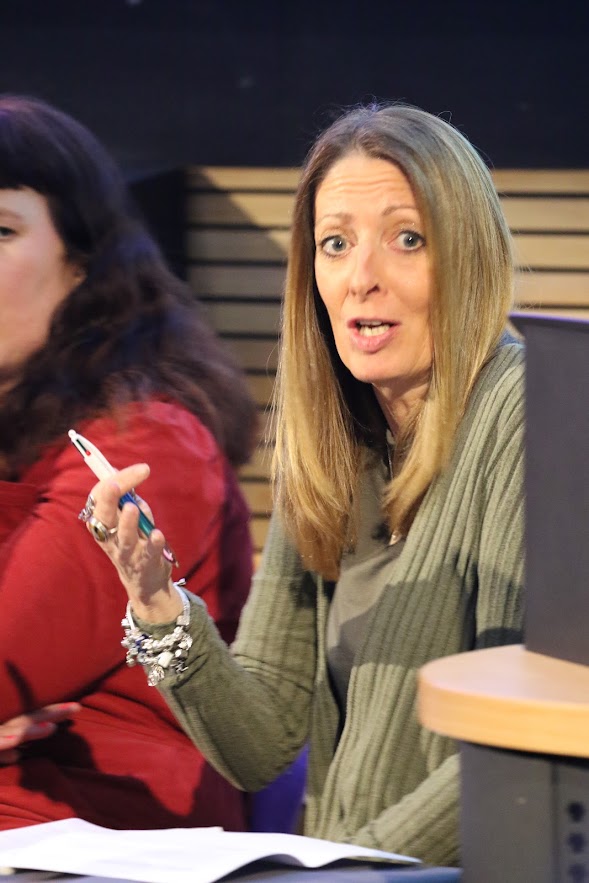
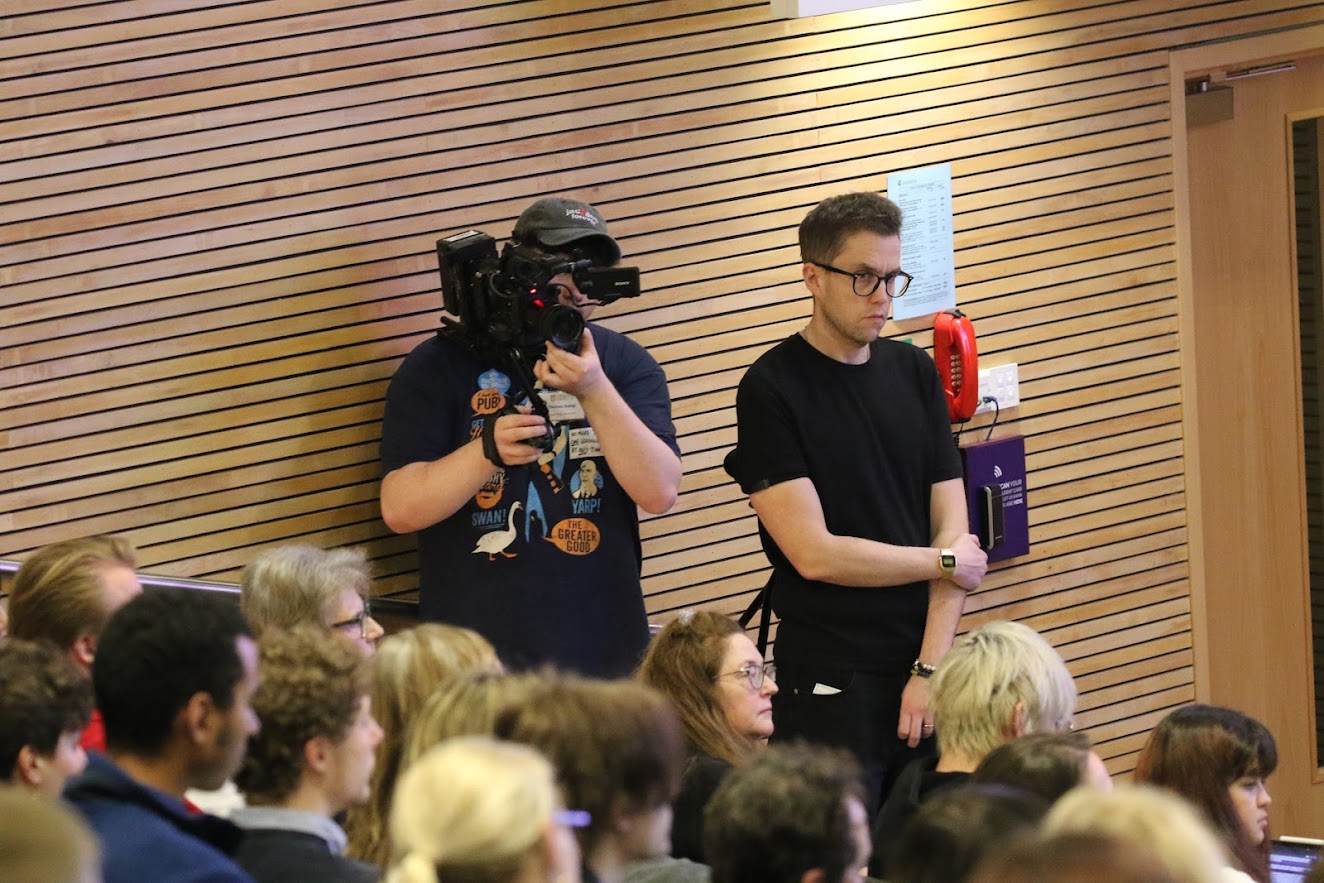
In line with the University’s commitment to real-world learning, students played key roles in running the event. Students liaised with the University’s conferencing team; marketed the event via social media and designed publicity flyers; filmed the debate for livestreaming; and photographed and reported on the event on the night.
Dr Cathy Gower, Dean of the Faculty of Education and the Arts, said: “This was a stimulating evening of debate and discussion and the responses to questions from our expert panel were informed, impassioned and impressive in terms of the key contribution of the arts and creativity to education.
They clearly articulated the opportunities but also the challenges we face in ensuring that this crucial contribution is appropriately acknowledged through policy, investment and action. These events are at the heart of our commitment as a University to public engagement in relation to contemporary issues of concern to our city and to our society more broadly.
“I was so proud of our University students, who were such a key part of the organising committee. They collaborated across disciplinary boundaries to put on this high-profile event and this experience is a realistic representation of how they are likely go on to work in their future careers in both the creative industries and in education.”
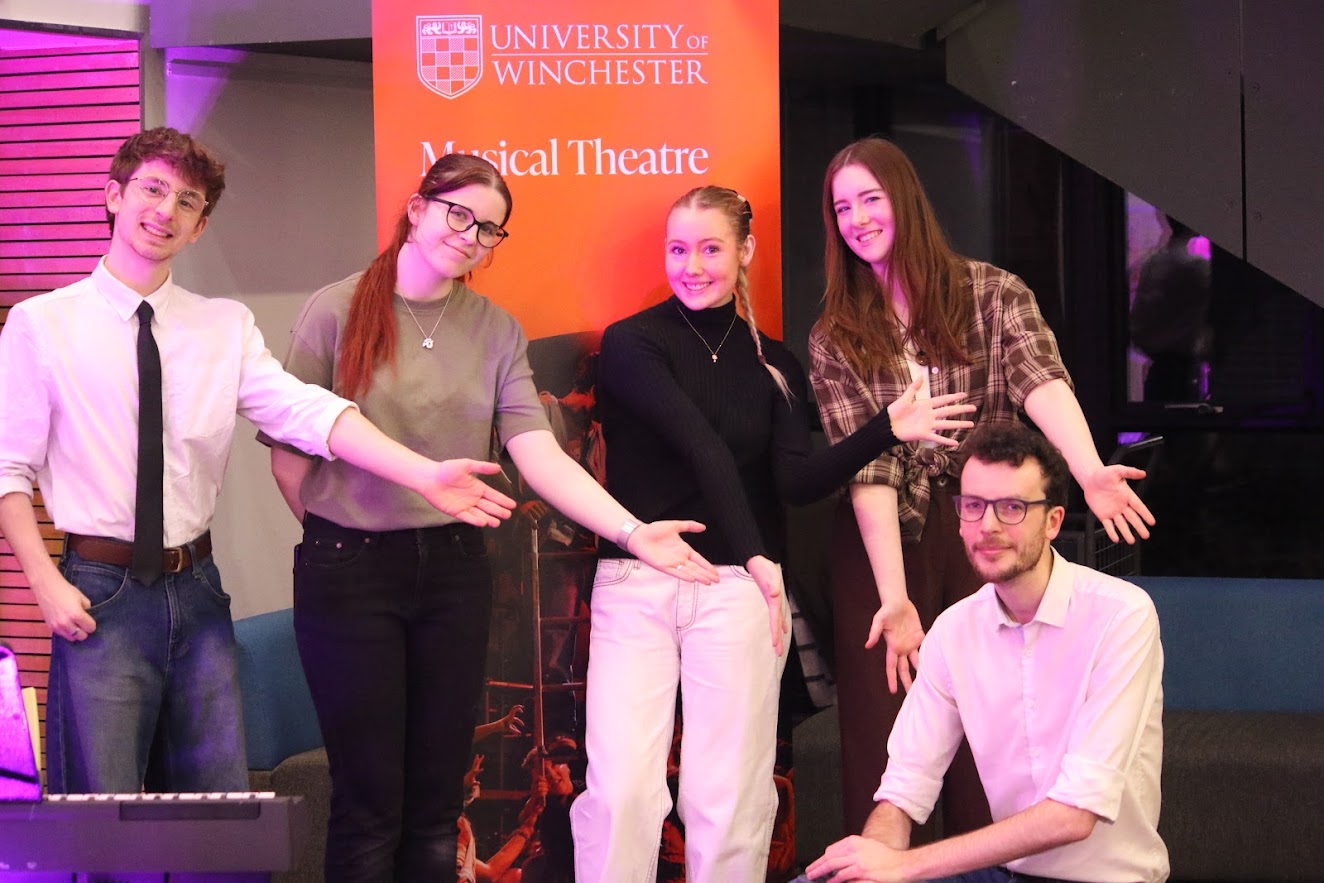
Before the event guests were entertained in the foyer of the The Stripe by Performing Arts students who sang songs from the recent musical production of Sense and Sensibility, co-written by Musical Theatre Lecturer Tom Arnold.
Photos by Julie Wharton and Dominic Franklin
Back to media centre