
INSPIRE Research Centre: Innovative Science for Public Health and Patient Interventions
An interdisciplinary centre dedicated to innovative research and knowledge exchange for enhancing physical and mental health across the population
About us
INSPIRE is an interdisciplinary research and knowledge exchange centre working with a range of external partners to embed innovate science for enhancing physical and mental health. We work to increase understanding and develop novel interventions for the public and to help a range of patient groups receive more effective treatment, rehabilitation, and the support they need to self-manage their conditions.
Our centre brings together staff and PhD researchers from psychology, health sciences and physiotherapy. Our work spans laboratory-based science (e.g. EEG and physiological assessment), qualitative explorations of patient experience and advanced statistical modelling, enabling us to address health challenges from multiple perspectives.
A unique focus of the centre is on the interplay between mental and physical health, including how psychological processes influence the way people engage with health interventions, how people cope with acute and chronic conditions, and what support they might need to self-manage their health.
Research Strands and Services
Community Health Innovation: Promoting health, wellbeing, and self-management of conditions
Enhancing support for athletes and their families with brain-related conditions
Brain-related conditions such as neurodegenerative disease, brain injury, and concussion can pose several challenges to athletes and their families. Drs John Batten and Matt Smith are currently investigating how we can best support athletes and their families with such brain-related conditions. More specifically, they are working with sports bodies to develop more supportive policies and practices, and to explore the potential for emotionally expressive writing to help athletes and their families cope with the challenges they face.
Enhancing older adults’ access and adherence to fall prevention interventions
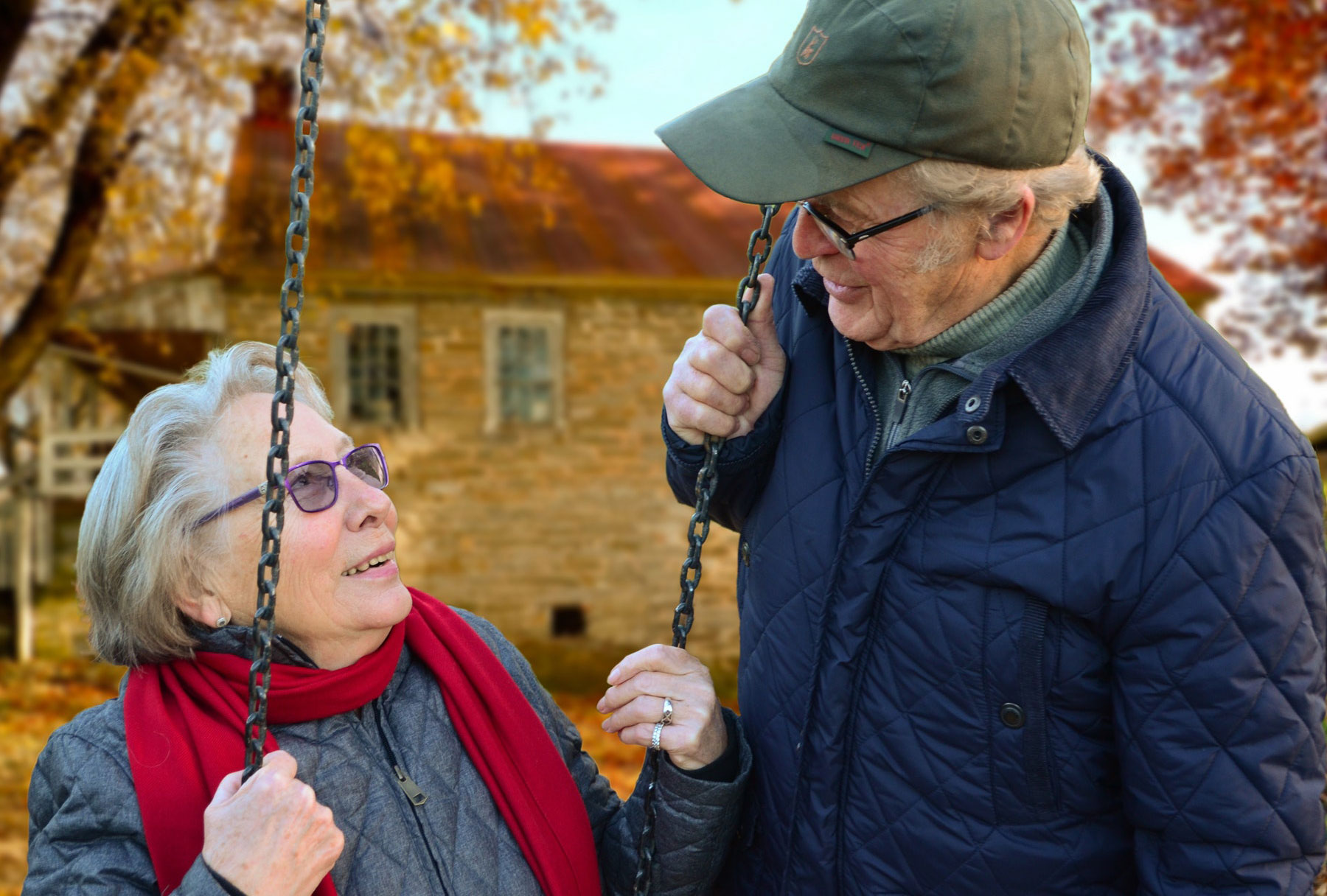
Fall-related injuries are a public health issue for older adults. Dr Samuel Nyman is investigating the psychology of falls and their prevention. He is exploring the psychological impact of falls and how older adults cope with falls risk and talk about their concerns about falling. Older adults’ concerns about falls are important given its association with falls risk and reduced participation in physical activity and their local community. With this research, he aims to improve older adults’ access and adherence to fall prevention interventions.
Enhancing patients’ self-management of chronic pain
Stephen Martin and colleagues are currently investigating the influence of health professionals and patients’ communication on chronic pain outcomes. More specifically, how health professionals’ use of language and explanations influence patient beliefs and treatment decisions. Also, how a new peer support group might help patients manage their pain.
Clinical Health Innovation: for more effective treatment and rehabilitation
More effective treatments for people with Obsessive Compulsive Disorder (OCD)
The symptoms of OCD can be very different from person to person, but it is not currently known why there are such big differences or how that affects response to treatment. Dr Rhiannon Jones and PhD student Eleanor Phillips are testing a novel approach that aims to better target treatments for patient’s specific symptom dimensions and underpinning neurobiological activity. Her research tests new ways of stratifying the different symptom dimensions of OCD linking qualitative comments from patients regarding their intrusive thoughts and behaviours with neural network activity.
Are you living with OCD? Take part in this research
The team is currently recruiting people who live with OCD - a diagnosis from a GP or therapist is sufficient, it does not have to be a formal diagnosis from a psychiatrist. They are also looking for people without an OCD diagnosis for the control group. All participants would need to attend two in-person sessions at the University of Winchester, and OCD participants would also have an interview to talk about their personal experience of living with OCD. Participants will be reimbursed for their time.
If you are interested in taking part or would like more information, please contact Dr Rhiannon Jones or visit the project website.
Safer and more effective rehabilitation for patients with vascular conditions
Physical activity is essential for reducing cardiovascular disease risk, yet many clinical populations have limited ability to exercise safely. Dr Scott Hannah investigates how structured exercise, reductions in sedentary behaviour, and rehabilitation technologies affect cardiovascular and vascular health in clinical groups such as people recovering from stroke or those living with Long COVID. Working with NHS partners, he evaluates how these approaches operate in real-world practice and examines the physiological responses that guide safe and effective rehabilitation for individuals with restricted mobility.
Centre members
Dr Samuel Nyman, Centre Lead and Reader in Health Psychology
Dr John Batten, Centre Co-Lead and Senior Lecturer in Sport and Exercise Psychology
Dr Matt Smith, Centre Co-Lead and Senior Lecturer in Sport and Exercise Psychology
Dr Rhiannon Jones, Senior Lecturer in Psychology
Dr Scott Hannah, Senior Lecturer in Sport and Exercise Physiology
Stephen Martin, Senior Lecturer in Physiotherapy
Dr Gaya Abeywickrama, Senior Lecturer in Community & Health
Jo Batey, Senior Fellow (Knowledge Exchange)
Katherine Cook, Senior Lecturer in Physiotherapy
Chris Ford, Senior Lecturer in Strength & Conditioning
Dr Andrea Gibbons, Senior Lecturer in Psychology
Dr Lynn McKeague, Senior Lecturer in Psychology
Amelia Shaw, Senior Lecturer in Physiotherapy
Dr David Wilson, Senior Lecturer in Physiotherapy
Associate Members
Jennifer Crowdy, Technology-Enhanced Learning Trainer & Developer
Dr Rachel Harrison, Senior Lecturer in Education
Dr Daniel Gill, Senior Lecturer in Psychology
Dr Jordan Randell, Senior Lecturer in Psychology
Dr Joe Stubbersfield, Senior Lecturer in Psychology
Prof. David Voegeli, Professor of Nursing
Dr Adrian Whyte, Senior Lecturer in Psychology