
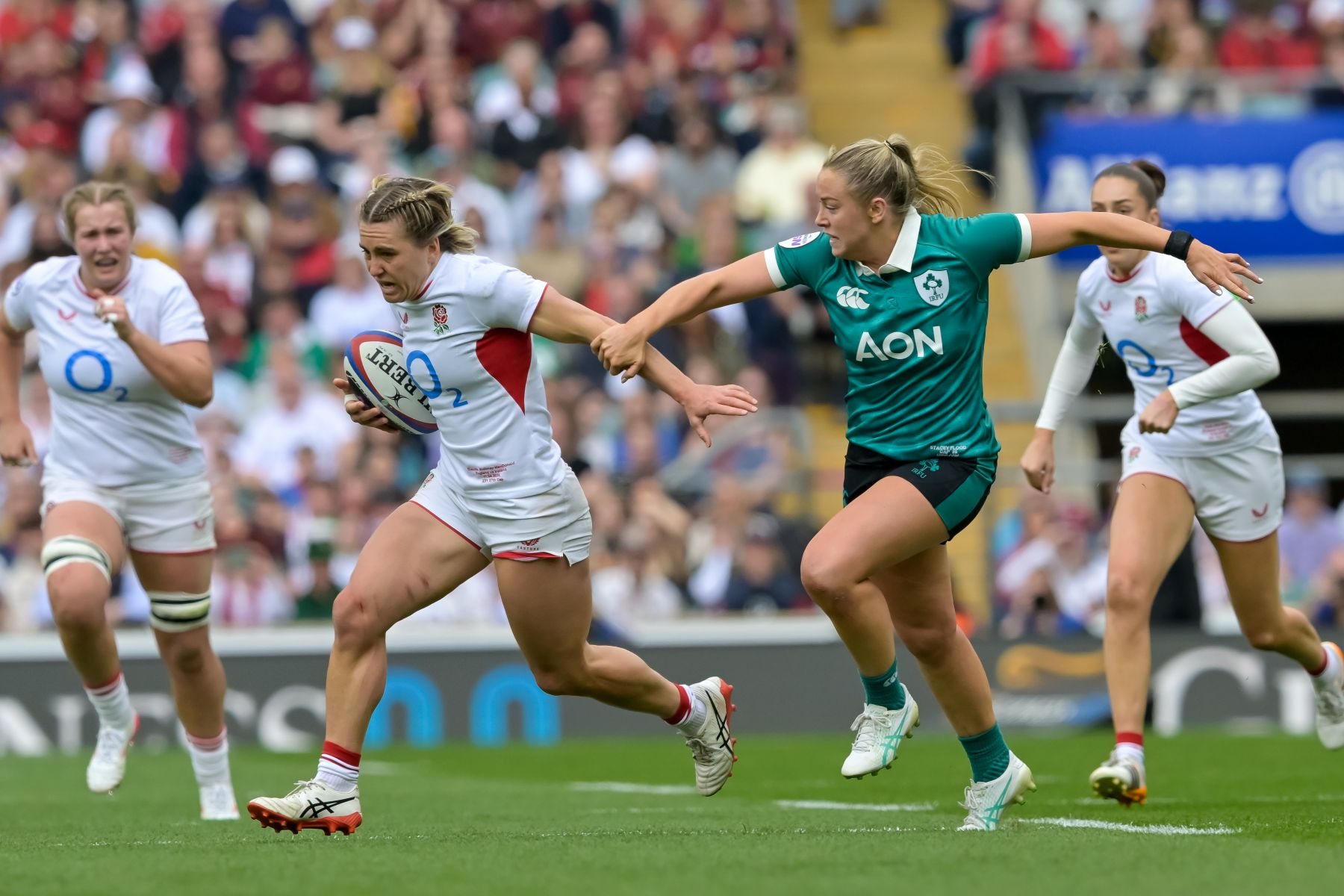
As women’s Rugby Union grows in popularity, an academic at the University of Winchester has co-authored a study into the under-researched area of leadership and captaincy in the female game.
Richard Cheetham MBE, a Senior Fellow in Sports Coaching at Winchester, teamed up with Professor Stewart Cotterill, Professor in the Psychology of Human Performance at Health Sciences University in Bournemouth, to examine the leadership experiences of female captains both on and off the pitch.
“Having done similar work with male captains a few years ago we realised that there had been no such study done for the women’s game,” explained Richard. This was despite the popularity of the sport which has grown considerably over the last 10 years and with a sell-out crowd at Twickenham for the 2025 World Cup final where England beat Canada.
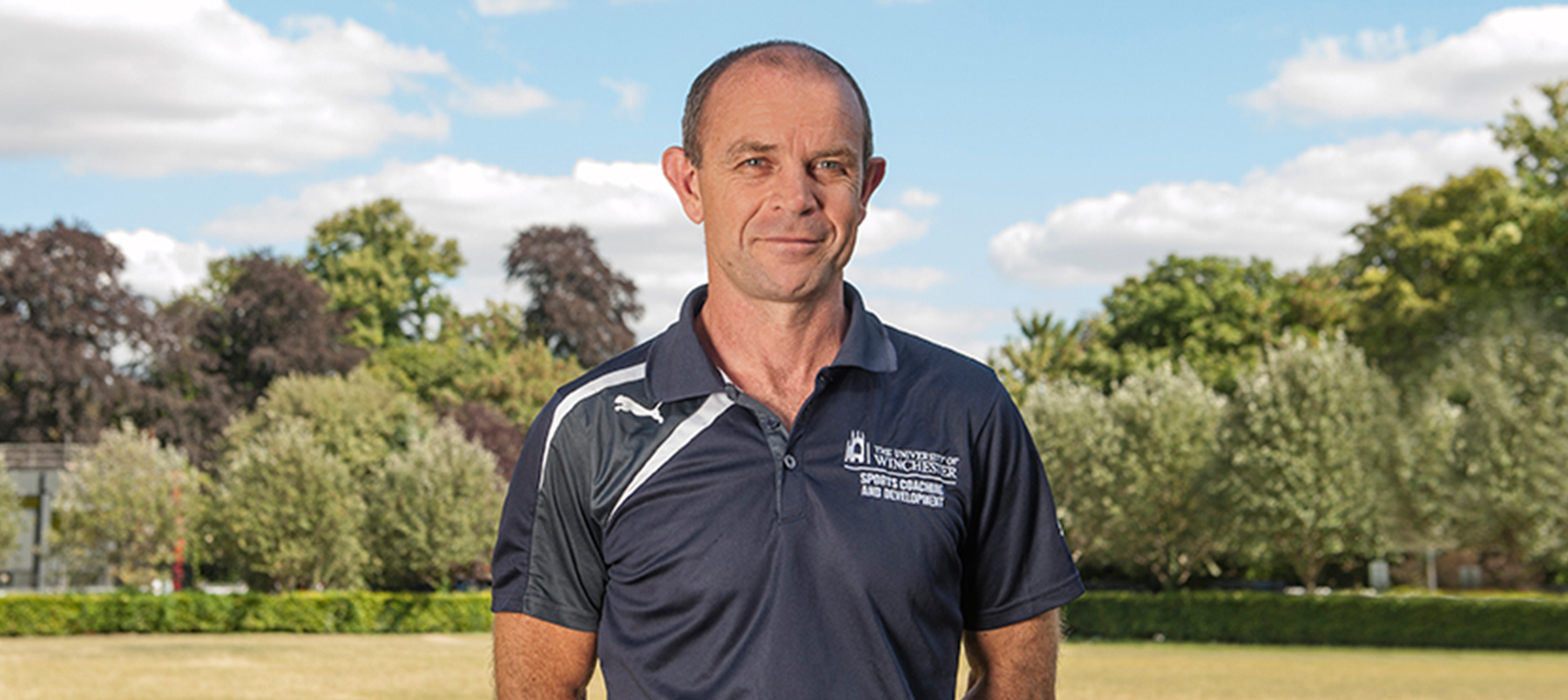
Richard Cheetham MBE, a Senior Fellow in Sports Coaching
Their article, published online by MDPI, is based on interviews with eight captains, all playing at the top level of the sport, including current and former internationals.
While rugby is still largely male-dominated and an environment “where masculinity and its attributes are lauded” these attitudes and expectations do not always transfer well to the women’s game.
As one female captain commented: “It sometimes feels like they [the coach] is so used to working with men that they seem to expect exactly the same things from their leaders that they do for the men’s team … being aggressive and in your face, not sure it is the same thing for us!”
Empathy is a key word which comes up repeatedly in the new study with some female captains recognising that within their role there is an element of “nurturing” some of their teammates, particularly the newer players.
One participant, recalling her early playing days, said: “…we had some captains who were ‘mums’ and they sort of viewed it as the second family and very much sort of adapted their ‘mum’ role, and just sort of extended it to the rugby family.”
Collaboration and community are also valued highly in women’s rugby.
“I think Women’s rugby is like such a community. I don’t know what it’s like with Men’s rugby, I’m sure it’s the same, but with Women’s rugby it’s really a community, it’s often the people that are your best friends, and so, it’s not just what you do on a Sunday, it’s all of the time,” said one participant.
The study found that some captains felt they had been given little help to prepare for the role which was also evident in the previous studies into the men’s game – the accolade of being captain was not always accompanied with support and preparation for it.
The report calls for a greater focus on the leadership needs of female sports teams as a distinct and different consideration to male sports teams.
It concludes: “Empathy, empowerment and collaboration appear to be key hallmarks of leadership within the domain of elite women’s rugby union, factors that need to receive greater consideration. In addition, team leaders and coaches need to consider how these key characteristics can be nurtured and developed. In addition, it is crucial to ensure that masculinity-based views of the game, and how leadership functions should not be automatically applied to the women’s game.
The study has been sent to England national coach John Mitchell and has been made a resource for the RFU’s coaching pathway.
Richard hopes the male coaches new to working with female teams will find the study useful.
“They cannot expect the women’s game to have the same culture as the men’s,” he said. “Coaches have to realise that the approaches that go towards making a successful women’s team are different.”
Stewart Cotterill said: “There is growing but still limited research exploring women's experiences of sport within the broader sport and exercise literature. It is crucial that research, policy and practice are not informed solely by male-dominated literature."
Back to media centre